




Lawn care services in Magna, West Valley City, and Salt Lake County

Choose the help your property needs.

Weekly mowing starting at $40, sprinkler startup for $150, spring and fall cleanups, aeration, overseeding, flowerbed work, and shrub trimming. Text photos for a clear quote. No contracts required.

What each service solves.

These details help you choose the right starting point before you send photos.

Fresh mowing lines across a lawn in Magna Utah

Weekly and biweekly lawn mowing

For lawns that need a steady rhythm, mowing includes trimming around obstacles, edging along sidewalks and driveways, mowing, and blowing clippings off hard surfaces. Regular visits also make it easier to catch dry spots, sprinkler issues, and overgrowth before they get worse.

Take Home offers weekly and biweekly mowing in Magna, West Valley City, and Salt Lake County. Pricing is based on lawn size and service frequency.

Lawn Size Weekly Biweekly
1,000–4,500 sq ft $40 $45
4,500–7,500 sq ft $50 $55
7,500–10,000+ sq ft $60 $65

Biweekly mowing costs $5 more per visit because taller grass typically requires more time, trimming, and cleanup. Final pricing may vary based on access, slope, obstacles, or heavy growth.

  • Trimming around fences, trees, posts, and obstacles
  • Edging along sidewalks, driveways, curbs, and patios
  • Mowing at a healthy 2.5–3 inch height
  • Blowing clippings off hard surfaces
  • No contracts required for recurring service
Spring and fall yard cleanup in Salt Lake County

Spring and fall yard cleanup

Seasonal cleanups help reset the yard before and after the growing season. Spring cleanup books quickly once the weather warms — schedule early before demand builds.

Spring cleanup (March–May) typically includes leaf and debris removal, a first mow where appropriate, edging, flowerbed tidying, and bagging or staging clippings. It can also lead into aeration, overseeding, sprinkler startup, and weekly mowing setup.

Fall cleanup (September–November) focuses on leaf removal, debris collection, final-season mowing, edging touch-ups, flowerbed cleanup, and preparing the yard before winter. It can include sprinkler winterization and aeration add-ons.

  • Leaf and debris cleanup
  • Flowerbed tidying and border edging
  • First or final mow where appropriate
  • Bagging or staging clippings at curb
  • Optional aeration, overseeding, sprinkler startup or winterization
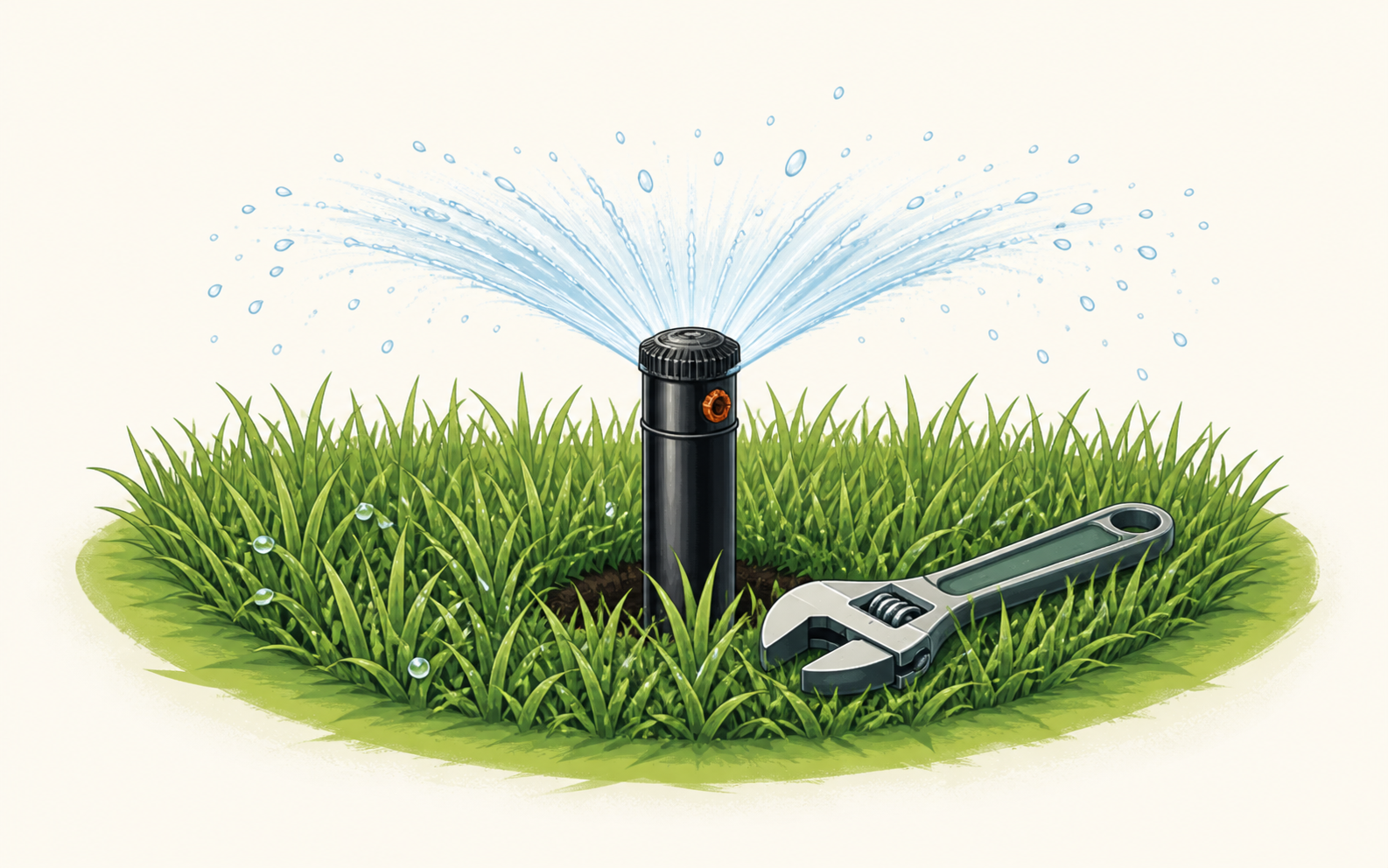
Sprinkler startup and repair in Magna and West Valley City Utah

Sprinkler startup, repair, and winterization

Sprinkler problems are not always expensive. Take Home starts with simple causes — heads, nozzles, timer settings, leaks, coverage gaps, and blocked spray — before assuming a major fix.

Spring startup is $150. That includes turning the system on, running all zones, checking for broken heads and leaks, adjusting obvious spray patterns where practical, and recommending repairs if needed. Schedule startup when conditions are consistently warm and dry, local irrigation water is available, and freeze risk is low. In much of northern Utah, this is commonly around mid-May to early June.

Sprinkler winterization should happen before the first hard freeze. In Salt Lake Valley, October into early November is a practical window. Waiting too long can expose valves, pipes, and heads to freeze damage.

Repairs and diagnostics can help with broken heads, clogged nozzles, dry spots, low pressure, sunken heads, zone problems, and pattern misalignment. Simple startups and basic fixes often take 1–2 hours. Zone repairs or deeper troubleshooting may take 2–5 hours depending on access and complexity.

  • Spring startup — $150 flat
  • Winterization before first hard freeze
  • Broken head and nozzle replacement
  • Dry spot diagnosis and pattern adjustment
  • Zone repair and pressure troubleshooting
  • Single-zone repair without replacing the full system
Aeration plugs and overseeding on a Utah lawn

Aeration and overseeding

Aeration opens compacted soil so air, water, and nutrients can reach the roots. Overseeding spreads new grass seed into an existing lawn to make the turf thicker, fill bare spots, and crowd out weeds over time.

Spring and fall are good aeration windows for most Utah cool-season lawns. Fall is especially effective when paired with overseeding — new seed has time to establish before winter, and the lawn can come back noticeably thicker the following spring.

Aeration and overseeding work best when followed by consistent watering during germination and normal mowing once new grass is established. Results depend on timing, soil, seed blend, watering, and weather.

  • Core aeration to relieve compacted soil
  • Overseeding for thin, patchy, or bare areas
  • Pairs well with fall cleanup or spring cleanup
  • Good fit for lawns with brown spots, weak turf, or weed pressure
Shrub trimming and pruning tools

Flowerbed cleanup, landscape refresh, and shrub trimming

Take Home can clean up flowerbeds, edge landscape borders, pull weeds, refresh mulch, trim small shrubs, and do a visual reset of tired-looking beds. A landscape refresh is not a full redesign — it is a practical cleanup that makes the yard look like it is being cared for.

Shrub and small tree trimming is a good fit for basic pruning, shape cleanup, and low-risk accessible branches. Take Home is not a full-service arborist and does not handle large tree removals, dangerous limbs, utility-line conflicts, or technical arborist work. If that is what you need, a qualified arborist is the right call.

For most shrubs in Utah, major pruning is best in late winter or early spring after the coldest weather passes. Spring-blooming shrubs are usually pruned right after they finish blooming. Avoid heavy fall pruning unless removing dead, diseased, or hazardous branches.

  • Weed pulling and flowerbed cleanup
  • Border edging and mulch touch-up
  • Small shrub and bush trimming
  • Small ornamental tree shape cleanup
  • Debris removal and visual reset
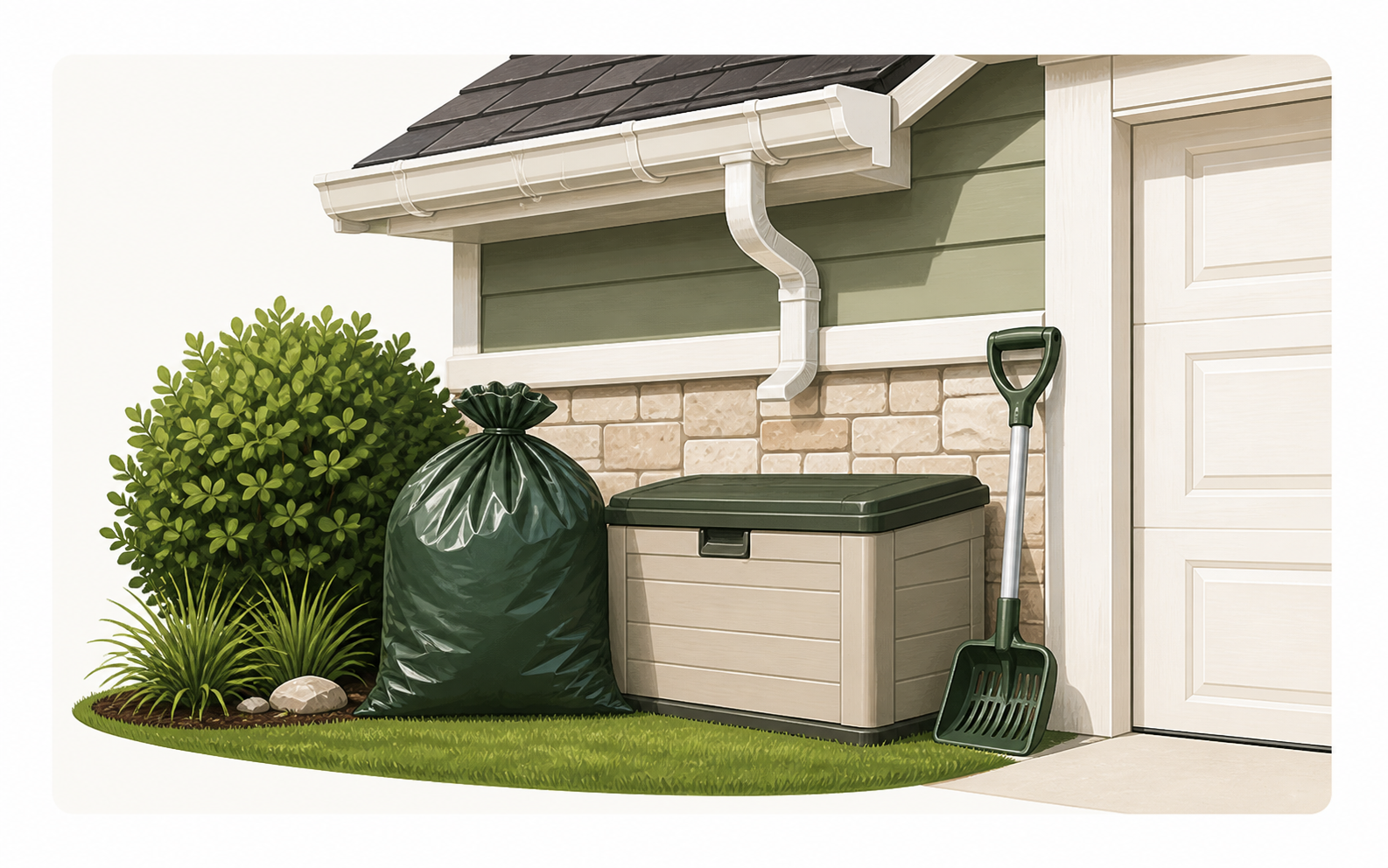
Home add-on service tools

Home add-ons

Gutter cleaning, pet waste removal, garage cleanout help, and simple exterior cleanup can be quoted as one-time help or added to yard service when it fits the scope.

  • Gutter cleaning
  • Pet waste removal
  • Garage cleanout support
  • Exterior cleanup tasks

How quotes work.

We quote based on the property, scope, access, and condition. Photos help us give a clearer first answer and avoid surprise add-ons.

  • Send photos and the address
  • Tell us the service you want
  • Share access notes, pets, problem areas, or timing needs
  • We confirm scope and price before work starts

Service boundaries.

We keep promises conservative so the customer gets clarity instead of hype.

We can promise

Clear communication, confirmed scope, careful work, honest limits, and useful photos when they help explain the job.

We do not promise

Perfect results, lowest price, instant repairs, or lawn outcomes that depend on weather, watering, soil, pests, or long-term care.

Common service questions.

Answers to the things homeowners ask before booking a first service.

How often should I mow my lawn in Salt Lake County?

Most lawns look best with weekly mowing during peak growing season (spring through fall). Biweekly mowing can work for slower-growing or drought-stressed lawns, but it usually means taller grass, heavier clippings, and more cleanup per visit. Weekly mowing helps the lawn stay consistently clean and easier to maintain.

What height should I cut my grass in Utah?

For most Utah lawns, grass should be kept around 2.5–3 inches during the growing season. A simple rule: about the height of a credit card standing on its side. Cutting too short stresses the lawn, especially in Utah heat. Taller grass shades the soil, protects roots, and helps the lawn handle drought better.

Why does my lawn have bare spots and what can I do about it?

Bare spots can come from drought, sprinkler problems, fungus, grubs, pet damage, soil compaction, heavy traffic, shade, or nutrient problems. The fix depends on the cause. Aeration and overseeding are often a good starting point for thin or bare areas. Take Home can help inspect the lawn and recommend next steps.

How often should I water my lawn in Salt Lake Valley?

Watering frequency depends on grass type, sprinkler coverage, soil, shade, and weather. Some tall fescue lawns may get by with deep watering about once a week. Many lawns need watering two to three times per week during hotter periods. Water deeply and less often rather than shallow daily watering. Watch for runoff, puddling, and dry spots.

How do I know if my sprinkler head is broken?

Signs of a broken sprinkler head include weak pressure, no spray, uneven spray, water geysering from around the head, pooling, a head stuck up or down, dry spots near areas that look overwatered, or muddy ground around the head. Take Home can inspect the zone and identify whether the issue is irrigation-related or a lawn health problem.

Why does my sprinkler system have a dry spot that won't go away?

A persistent dry spot may be caused by a misaligned head, clogged nozzle, broken head, low pressure, high-pressure misting, sunken head blocked by grass, poor head-to-head coverage, compacted soil, pests, or disease. Sprinkler and lawn issues can look similar. Take Home can help inspect and recommend next steps.

Can you repair one zone of my sprinkler system without replacing the whole thing?

Yes. In many cases, one zone can be repaired without replacing the entire system. If the issue is isolated to one zone, the repair may involve a head, nozzle, valve, wiring, pipe break, or pressure problem. A full system replacement is rarely necessary when the problem is localized.

When should I schedule a spring cleanup in Salt Lake County?

Schedule spring cleanup during March, April, or May once snow has cleared and the yard is dry enough to work. Earlier is better because spring cleanup, first-mow, aeration, overseeding, and sprinkler startup demand rises quickly as the weather warms. Send photos of the yard and Take Home can quote the cleanup and recommend whether weekly mowing should start afterward.

How do I keep my flowerbeds looking clean all season?

Stay ahead of weeds, edge borders regularly, remove debris after storms, refresh mulch as needed, and trim nearby overgrowth before it spills into the bed. Take Home can add flowerbed cleanup to mowing visits or seasonal cleanups, or schedule a standalone landscape refresh.

How do lawn care companies charge — by the hour or by the job?

Most residential lawn care is quoted by the job, not strictly by the hour. The price reflects lawn size, service frequency, edging length, obstacles, travel, disposal, equipment, and expected workload. Take Home uses clear job-based pricing where possible so you know the cost before work begins.

What makes a good local lawn care company in Utah worth the price?

A good Utah lawn care company understands local heat, drought stress, watering issues, sprinkler coverage problems, and seasonal timing. It shows up consistently, cuts at a safe height, edges cleanly, blows off hard surfaces, spots irrigation problems early, and helps prevent small issues from becoming expensive ones.

How do I prepare my yard for winter in Utah?

Remove leaves and yard debris, finish the last mow when grass stops growing, tidy flowerbeds, protect young trees or sensitive plants, and winterize sprinklers before hard freezes. In Salt Lake Valley, October into early November is a practical window for winterization, but the real deadline is before freezing weather arrives.

Know which service you need?

Text photos and a short note. We will review the scope and send a clear next step.

Text Photos For A Clear Quote